
La Moda Italiana Attraverso I Decenni
Italian Fashion Through The Decades.
Covering the evolution of Italian fashion from the post-war era of the 1950’s to the 1990’s highlighting the impact of specific social or political events/trends and their impact on Italian people, their fashion and Italian fashion houses.
By: Sean Esiri
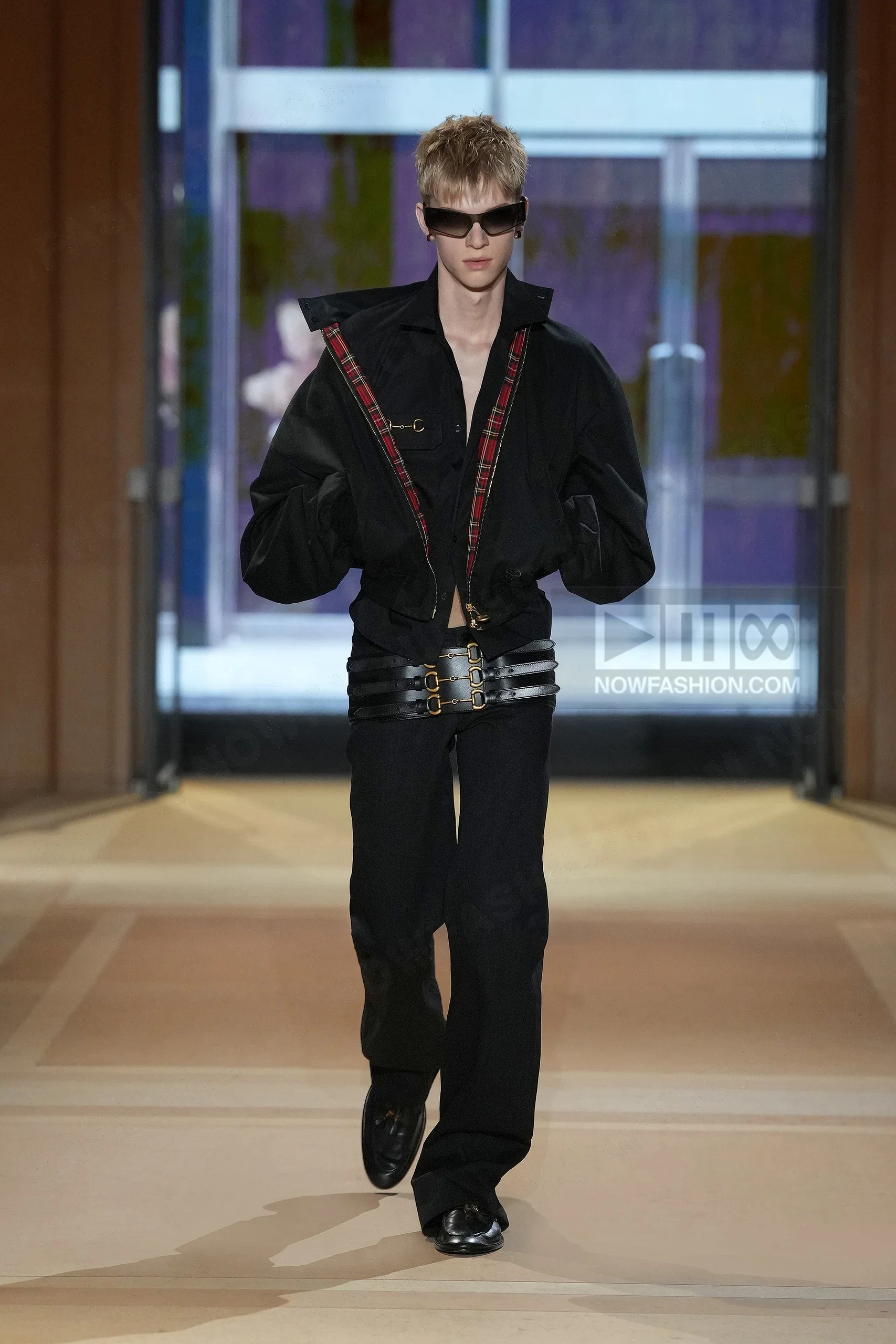
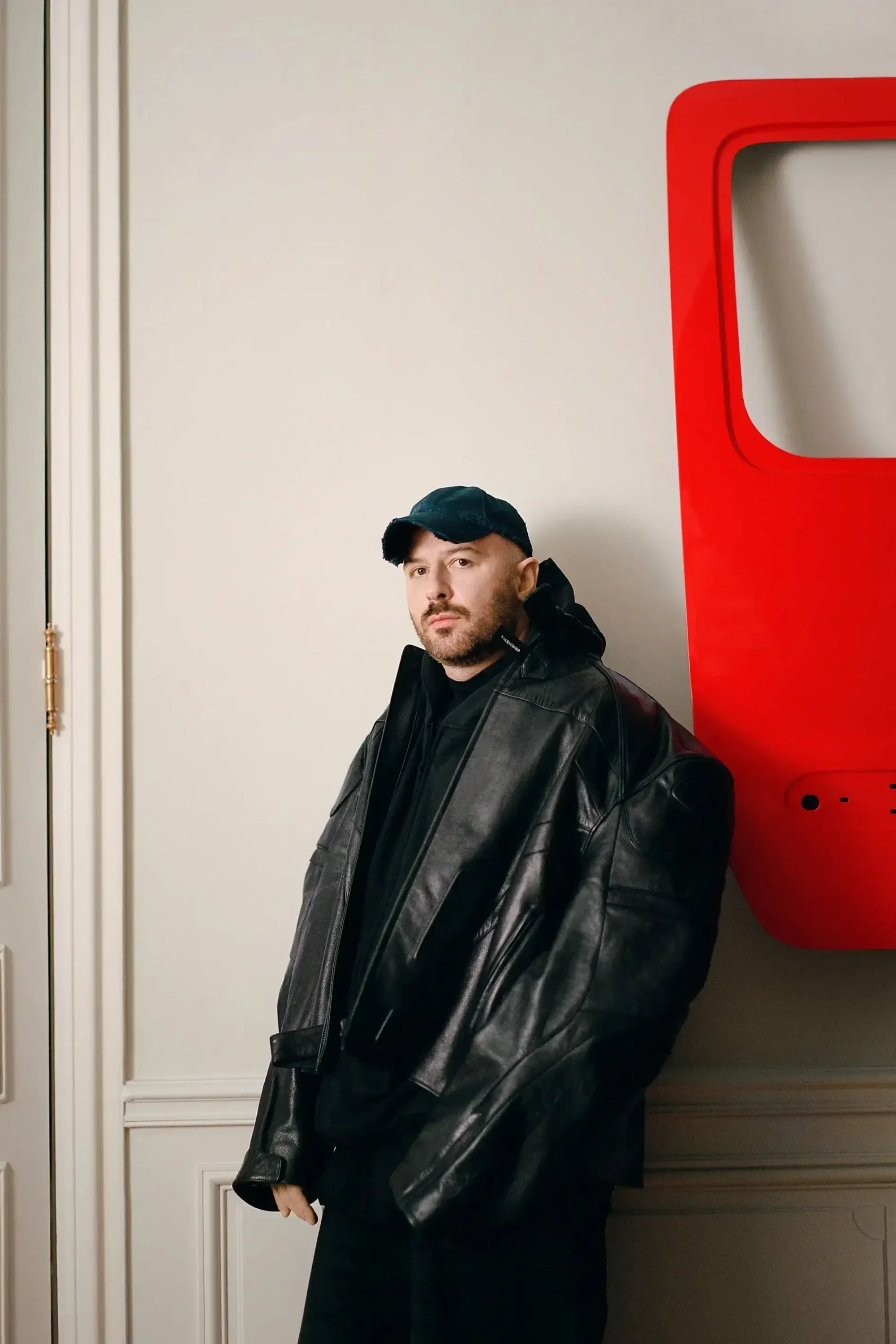
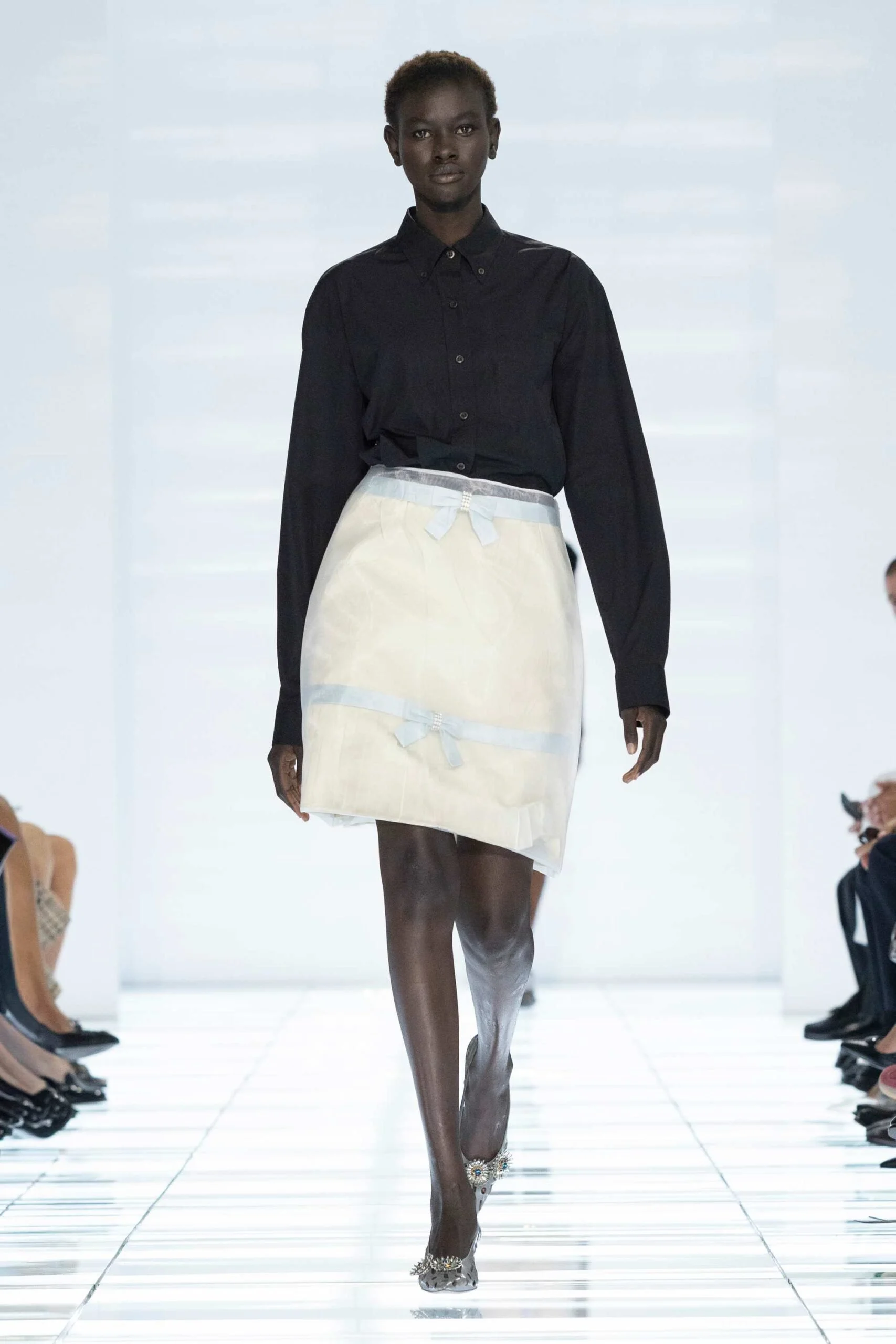
Look from Gucci Spring Summer 2027 from Milan Fashion Week designed by Demna Gvasalia
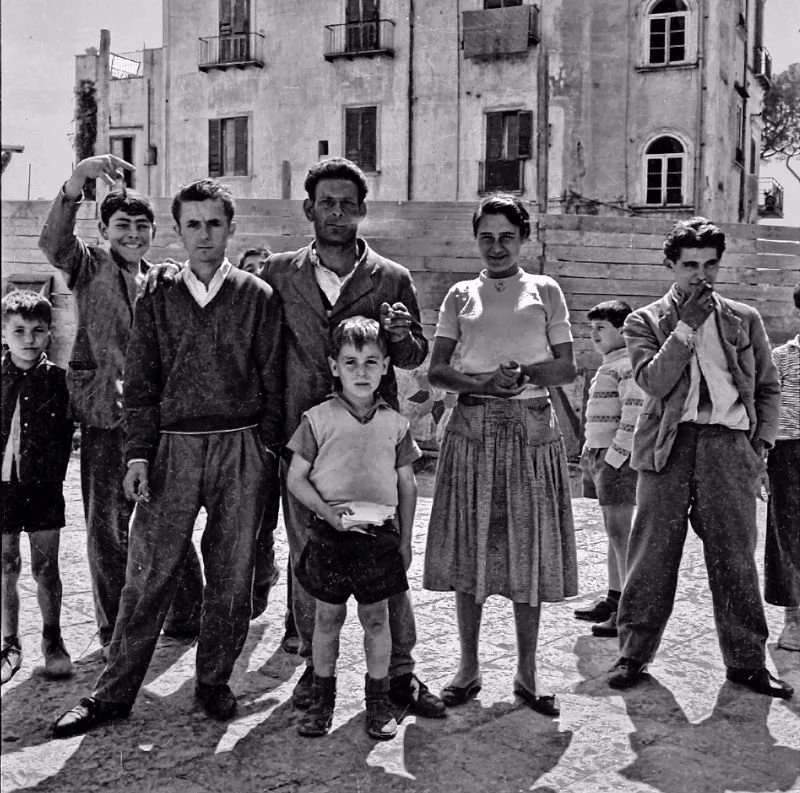
1950’s - The Search For Identity Post Fascism, Rise of Consumer Culture, and the beginning of “Made in Italy”
Italy’s fashion industry took a while to become the fashion empire that it’s known as today. Coming off the execution of Benito Mussolini, the events of World War 2, Italy began a new era in every facet of life including fashion. Neighboring countries like France were already making waves in the fashion space with fashion houses like Balmain, Balenciaga, and Dior who was founded by Christian Dior who eventually mentored another fashion designer Yves Saint Laurent who started what is known as today, Saint Laurent Paris. While France was doing all this Italy was still trying to find it’s bearings within the fashion space. Carlo Benfantini who wrote Renaissance and ‘Made in Italy’: marketing Italian fashion through history (1949 –1952), talks about this and how even though there were plenty of creative designers and tailorers there wasn’t a “specific Italian style”. This changed by the 1950’s with the reconstruction, economic boom and what Carlo describes as the “Renaissance”.
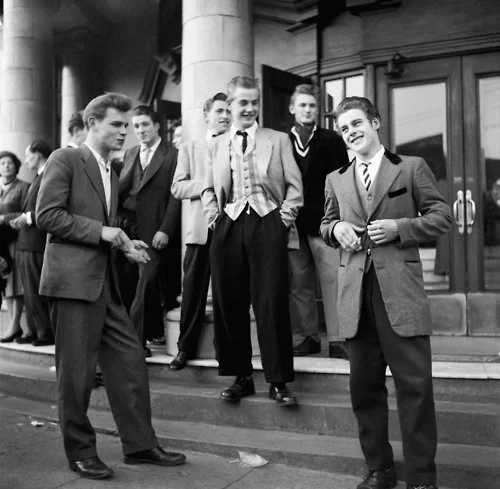
Carlo describes the Renaissance as "the supremacy of Italian civilization in Europe." In simpler terms, this refers to the spread of Italian culture, art, and literature throughout Europe. A key figure during the renaissance was Rosa Genoni who pushed the idea that Italian fashion and style needs to be independent from the Parisian haute couture. She also used events like the Milan International Exhibition and the National Congress of Italian Women to express her ideas and show off designs/collections to others. This paved the way for emerging Italian fashion designers during the reconstruction period and economic boom. During the reconstruction and economic boom Italy saw a rise in economic activity which can be credited to the United States aid programme. The textile industry benefited heavily from this as tourism was booming during this time with wealthy Americans visiting Italy looking for articles of clothing with high level craftsmanship and Italian brands persuading them that Florence was the next great fashion hub. This along with a Vogue article published in 1947 dedicated to Italian fashion houses began the prestige of the title of “Made in Italy” across the world which would eventually takeoff in the 70’s. Notable designers during this time where Salvatore Ferragamo and Emilio Pucci who were even gaining notoriety in Italy and America.
How did Fashion change after Fascism?
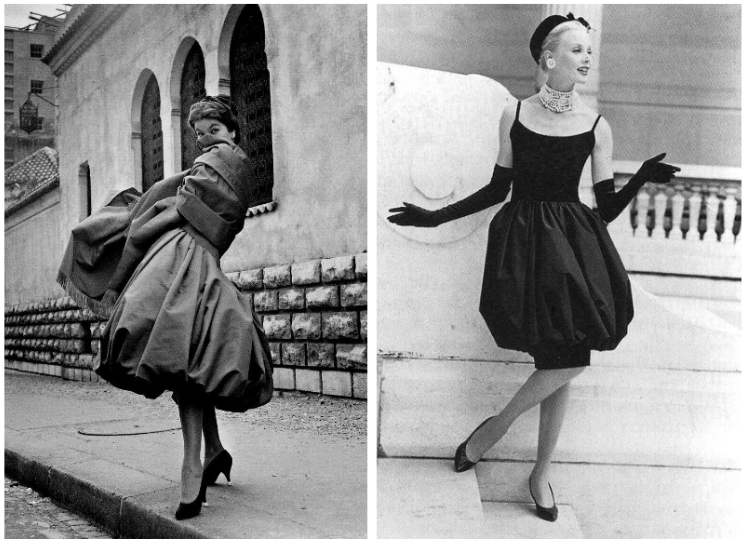
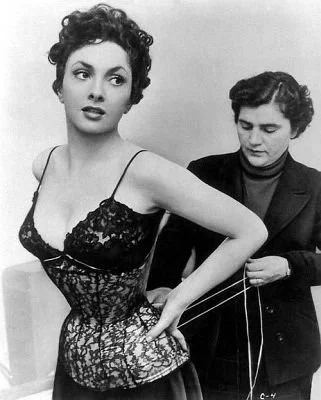
Women: After the Mussolini pushing his Fascist ideal of what the ideal women should wear, traditional womenswear transitioned from a more conservative and modest look to a more vibrant and daring look. Popular articles of clothing during this period were the bubble skirt and corsets with padded hips. This along with dresses that have revealing shoulders were also popular to highlight the femininity that was lost during Mussolini’s rule and World War II. For footwear, women commonly wore pump heels and wedge sandals
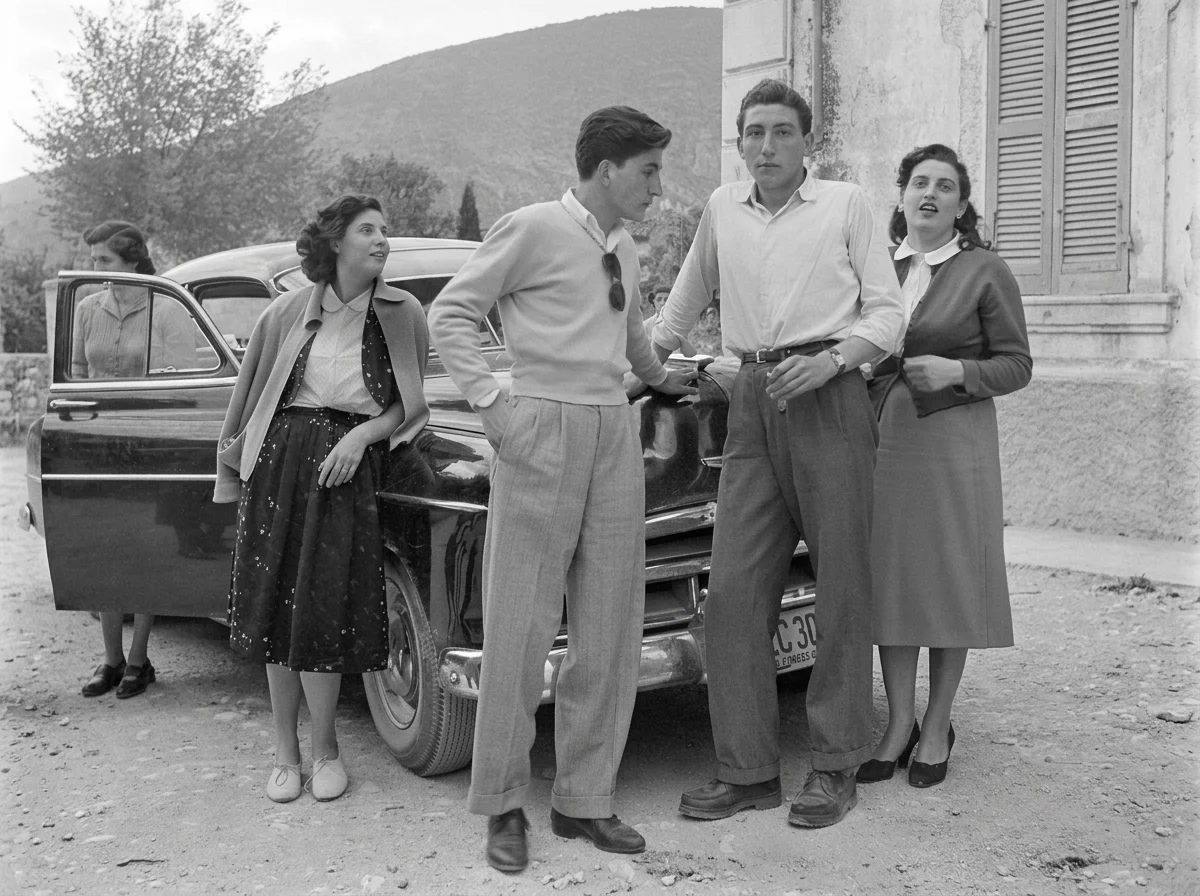
Men: Menswear also evolved after the Fascist rule of Mussolini. During Mussolini’s rule he pushed the idea that masculinity came from strength and discipline and he also reflected this in clothing popularizing thick jackets with shoulder pads to accentuate the hyper-masculine v-shape. Double-breasted suit jackets with wide lapels were also popular. Following Mussolini, Italian tailorers and consumers opted for a slimmer silhouette when it came to suits dropping the shoulder pads. This would become an iconic look for Italian suits spanning multiple decades and still being relevant today. Men also commonly wore high waisted trousers and camp collared shirts often layered with knitted sweaters. For footwear, men commonly wore sleek loafers
1960’s: Mina, The Mini Skirt, Impact on the Youth, and Changing Social Roles
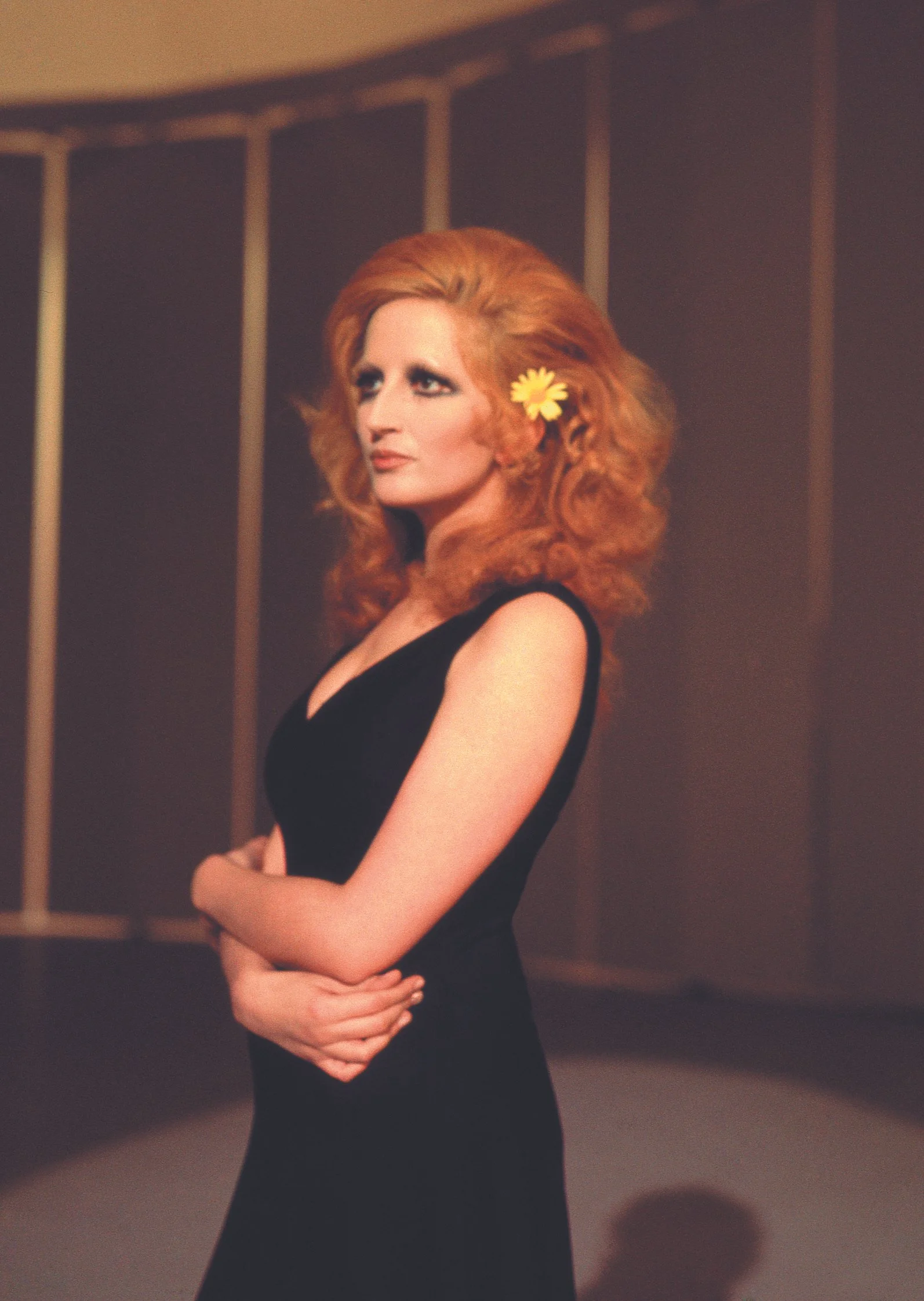
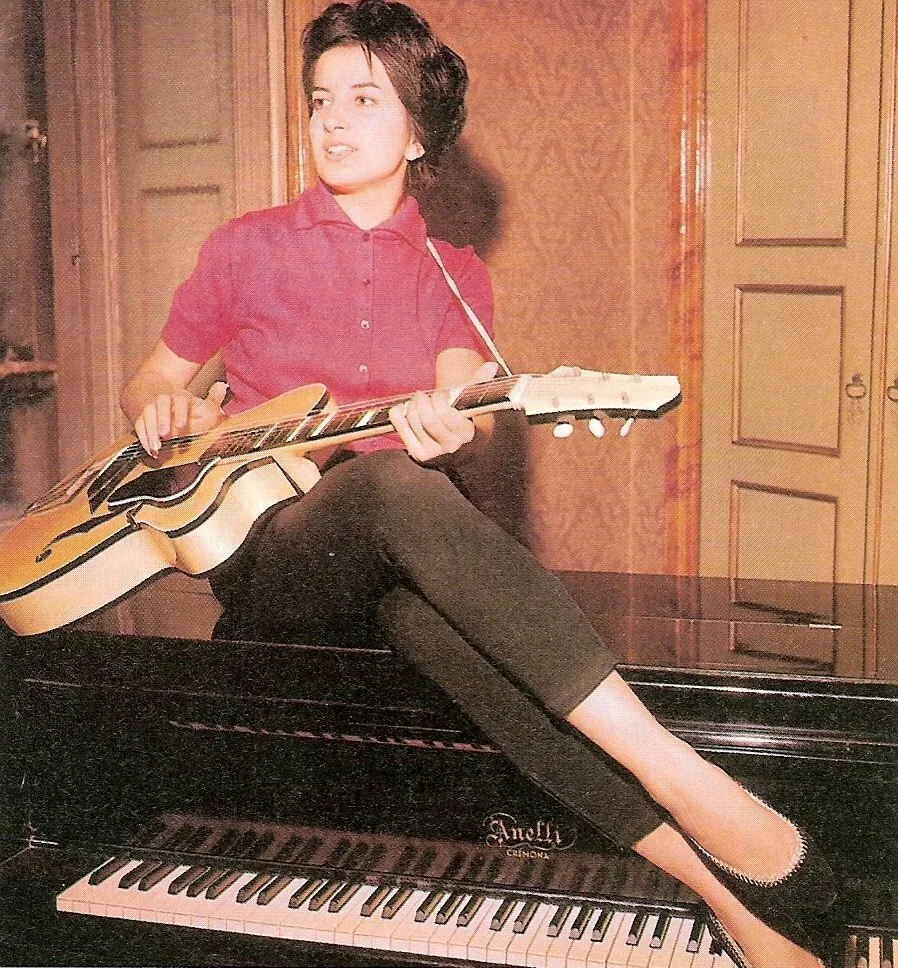
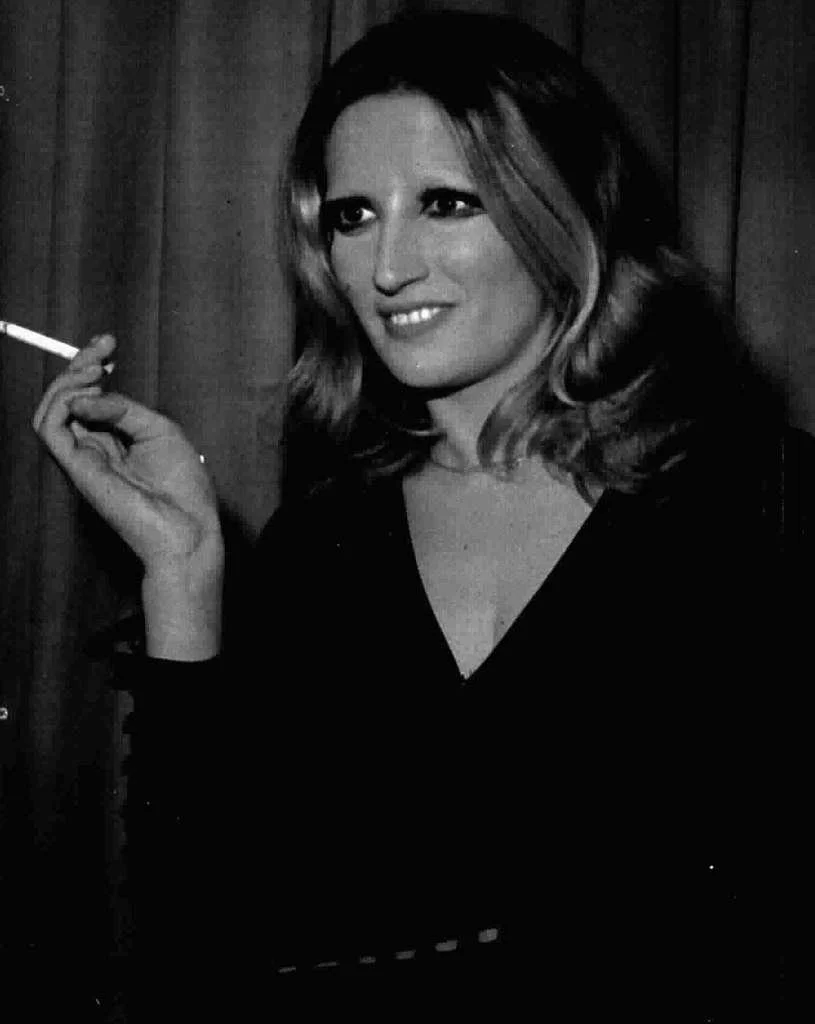
The 1960’s saw the rise of media, and celebrity culture in Italy especially for women. Plenty of female celebrities were taking over Italy at the time with Sophia Loren, Claudia Cardinale, and most notably Mina Mazzini. Mina Mazzini was an Italian singer and actress who became an Italian icon and in a way the first pop-star/diva of Italy due to her dominance in both acting and singing and her free-spirited personality. Her rise to fame was perfectly in line with products of the economic boom like RAI (Italy’s National Broadcasting Company) allowing her to make multiple TV appearances performing her music or advertising companies like Barilla. Mina’s care-free and unique nature not only manifested itself in her music which was regarded as sensual and scandalous during her career, but also in her personal style through things like make-up, different hairstyles, and controversial articles of clothing.
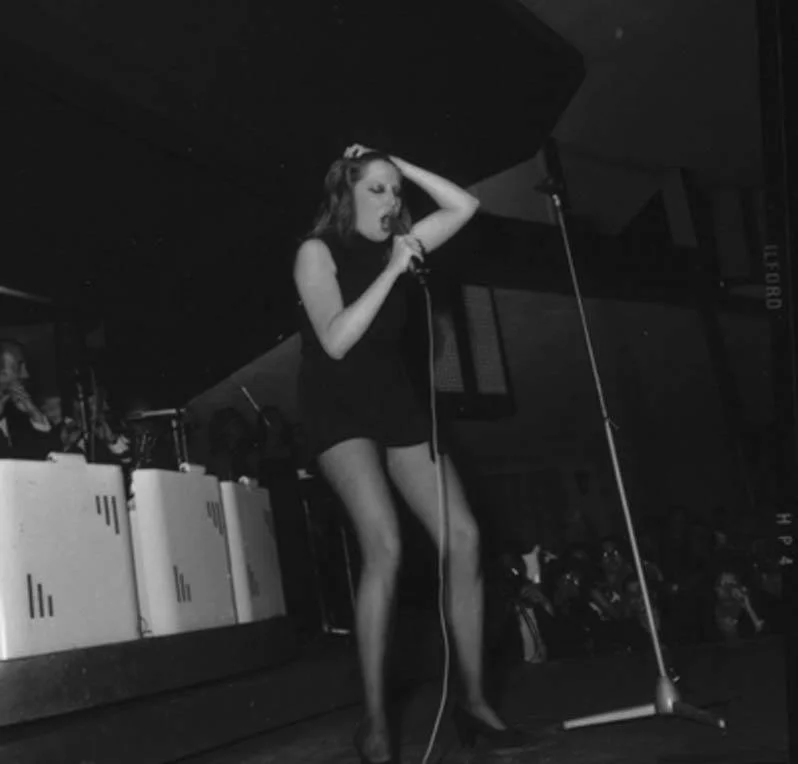
Mina shocked all of Italy with her fashion choices especially when she first wore the mini skirt. Mina first wore the mini skirt on RAI television allowing for everyone to see it and it immediately caused controversy. Mina wearing the mini skirt represented a sort of rebellion against traditional and conservative femininity in Italy. With the Christian Democracy running Italy at the time and the Roman Catholic Church having strong influence in Italy, it was rare to see women in revealing clothes as it was often looked down upon as a sign of lack of dignity and a threat to purity/traditional family values. Therefore, revealing clothes weren’t promoted as feminine or what the “traditional woman” should wear. A popular figure like Mina wearing it on TV turned the idea of a traditional woman and feminism on it’s head, empowering younger Italian women and challenging the ideals of traditional/conservative feminism. Mina’s impact came at just the right time with post-war Italy with the rise of women led organizations like the CDNI (National Council of Italian Women) and the ICW (International Council of Women). These groups were started around the 1950’s in the post World War 2 era serving as activist groups for women. They advanced women social rights and challenging common conceptions about women participating in work outside of the home.
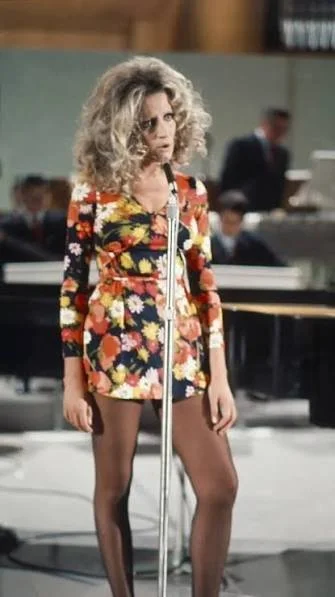
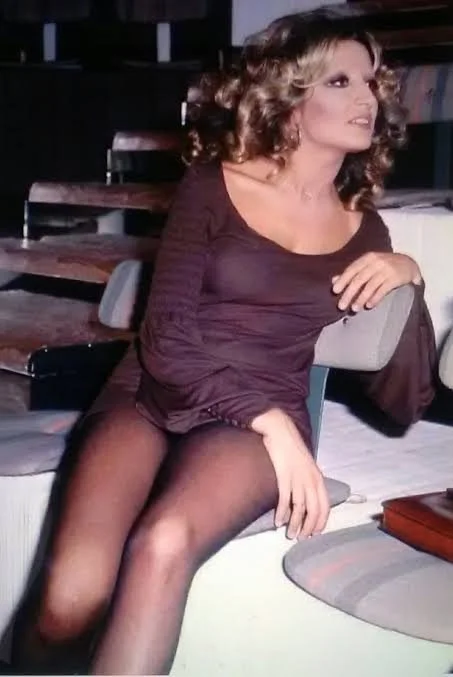
Mina’s Influence on Womenswear:
Things that common Italian Women would often wear inspired by Mina were the mini skirt, sheer tights, sleek and short dresses. Mina was also one of the first people to bring a more androgynous look to womenswear into the mainstream through her media appearances. Women in the 1960’s would often catch Mina in tailored suits and button-down shirts smoking a cigarette blurring the line between masculinity and femininity.
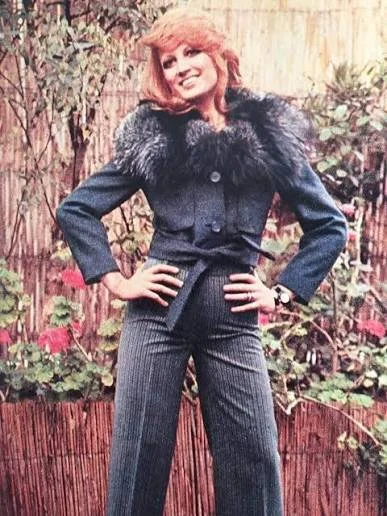
1970’s-1980’s: The Rise of Italian Ready-to-Wear Armani’s Takeover
As mentioned earlier, Italy’s high fashion industry post economic boom was trying to compete with the haute couture of Parisian fashion houses like Dior and Balenciaga. In the 1970’s Italy deviated from from traditional couture and their competition with France and shifted into Ready-to-Wear fashion relying more on their advantages in industrial and textile production to establish themselves globally as one of the leaders of luxury fashion. Part of the reason Italian clothing brands shifted from couture to ready-to-wear was the growing demand for more variety in clothes by younger consumers in the 1970’s. Young middle class consumers living in a post economic boom Italy and influenced by celebrities of the 1960’s steered away from standard, unfashionable, factory made clothes and looked for more flashy fashionable alternatives. Italian brands saw this and made the shift to more accessible and affordable options for young consumers which were ready-to-wear lines/collections. This also led to the lasting prestige of the “Made in Italy” title.
Italy’s manufacturing and textile industry also saw a massive spike in growth during the economic boom in the 1950’s and this carried on after the boom with the dominance of GFT. GFT stands for Gruppo Finanziario Tessile and was the main Italian clothing manufacturer from the mid 1950’s to the 1990’s. GFT saw extensive growth when they signed agreements with Italian fashion designers like Giorgio Armani who was the founder of Armani (est.1975) and Valentino Garavani who was the founder of Valentino (est.1960). Armani would sign with GFT soon after its inception in 1978 and Valentino would sign with GFT soon after Armani in 1979. GFT’s goal also lined up with brands like Armani and Valentino which was to combine the creativity of Italian fashion designers and their advanced industrial production techniques to make unique and fashionable ready-to-wear clothes that would attract young, middle-high class consumers. GFT’s partnership with brands like Armani and Valentino gave birth to the “new Italian look” that would take over in the 1980’s and years to come and allowed Italian fashion brands to be recognized on a global stage.
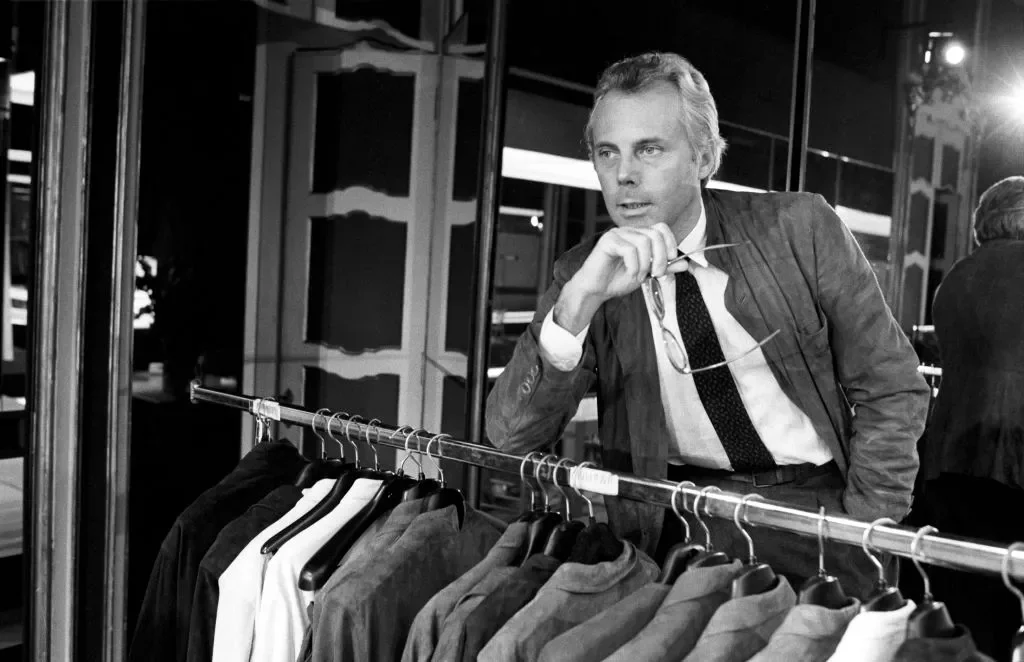
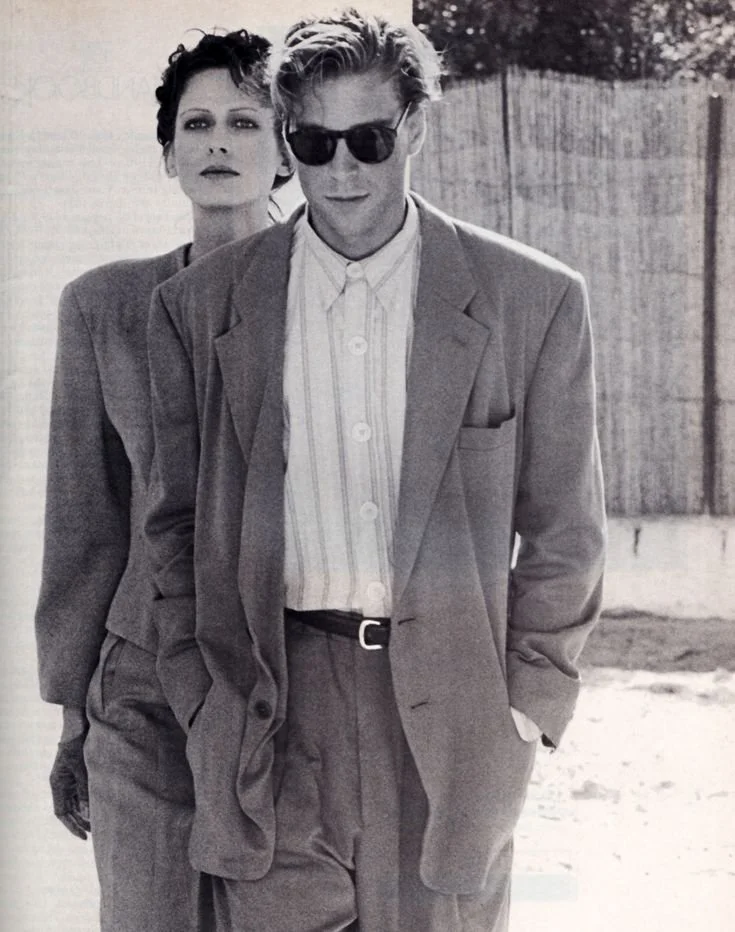
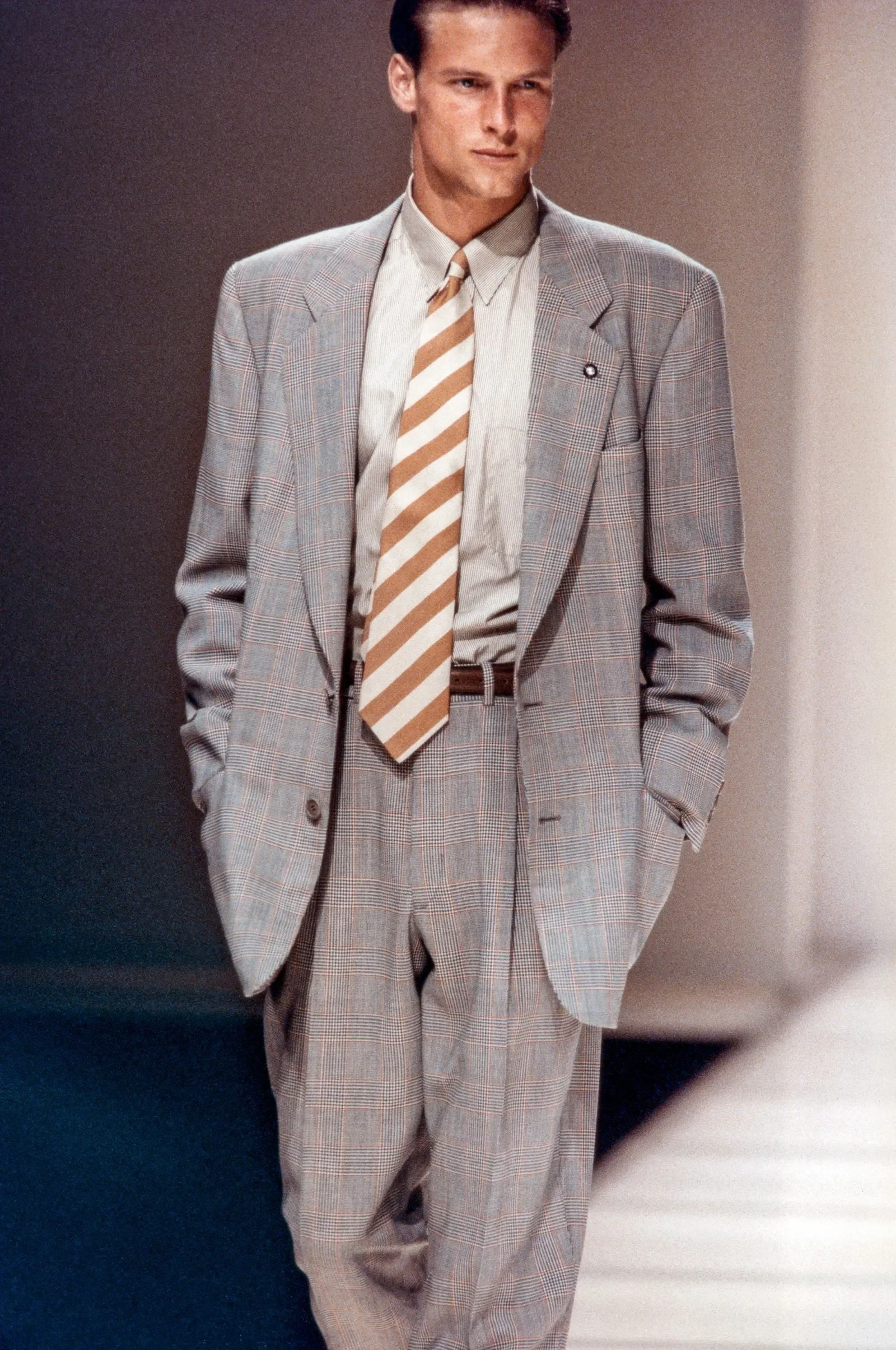
Armani saw a huge rise to fame during the late 1970’s and the 1980’s with his goal and success in introducing the new look for the “male peacock” or in other words the “fashion-forward man that was willing to embrace and buy into fashion trends more than once a year. This lined up with the younger middle-high class consumer audience, constantly looking for new fashionable clothes. Though Armani around the time took inspiration from American actors in the 1930’s and 1940’s Armani claimed that his designs were “pure Italian even if it creates a stir and controversy in foreign markets” referring to criticisms by Americans during this time. Earlier I talked about how men’s suiting/tailoring went from a more full, rigid, structured look to a slimmer look with skinnier pants and jackets after World War 2. To meet the changing demands of younger consumers, Armani decided to go back to the more full look from before World War 2 but chose to do so in a more refined way. Instead of keeping the bulky shoulder pads of the past used to represent masculinity Armani took them away along with the rigid fabrics and replaced them with looser fabrics, lightweight wools and lines, softer but wider shoulders and pleated trousers. This look has come to be known as the “Power Suit”.
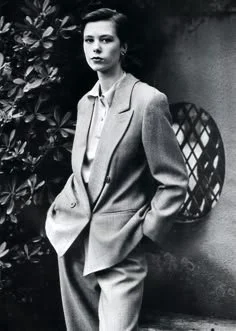
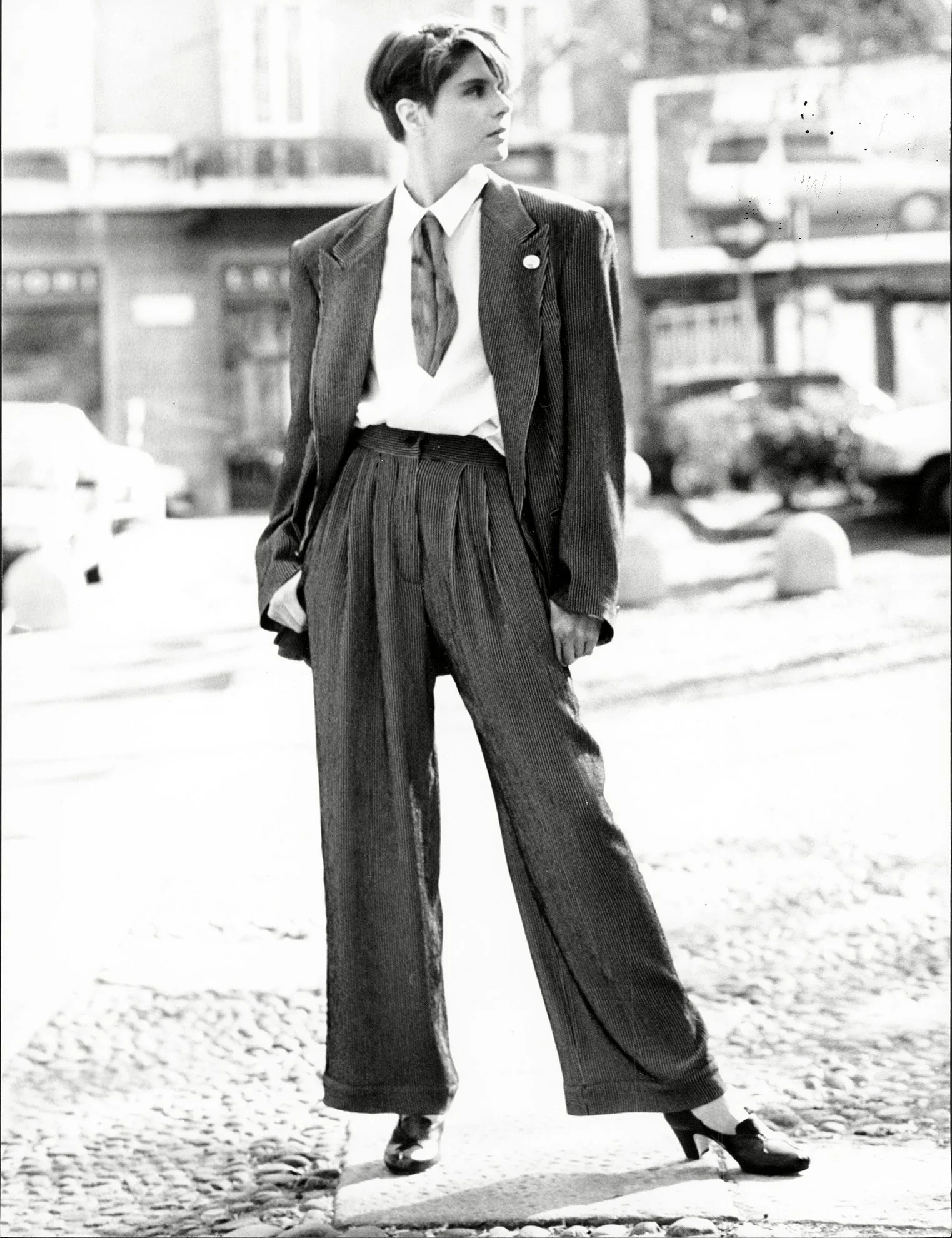
While Power Suits were aimed for both men and women and were worn by men, the Power Suit became an important staple in womenswear for Italian women especially at a time were more and more women are entering a severely male dominated workforce. The Power Suit gave a way for women to step into the the male dominated workforce with confidence giving women ways to affirm themselves in fields were traits like authority, masculinity, and conformity were valued above all. For women, the Power Suit commanded respect without having to sacrifice their femininity. The Power Suit became a defining look of the 1980’s and helped usher in a wave of 1980’s feminism that celebrated women’s success in the workplace. The Power Suit has evolved since its inception with different colors and patterns to offer more options for feminine expression and it has now become a staple of gender fluid fashion worn by people of all identities and backgrounds to challenge rigid gender expectations and move beyond traditional gender norms.
1990’s: Luxury Fashion, Tom Ford and International Dominance
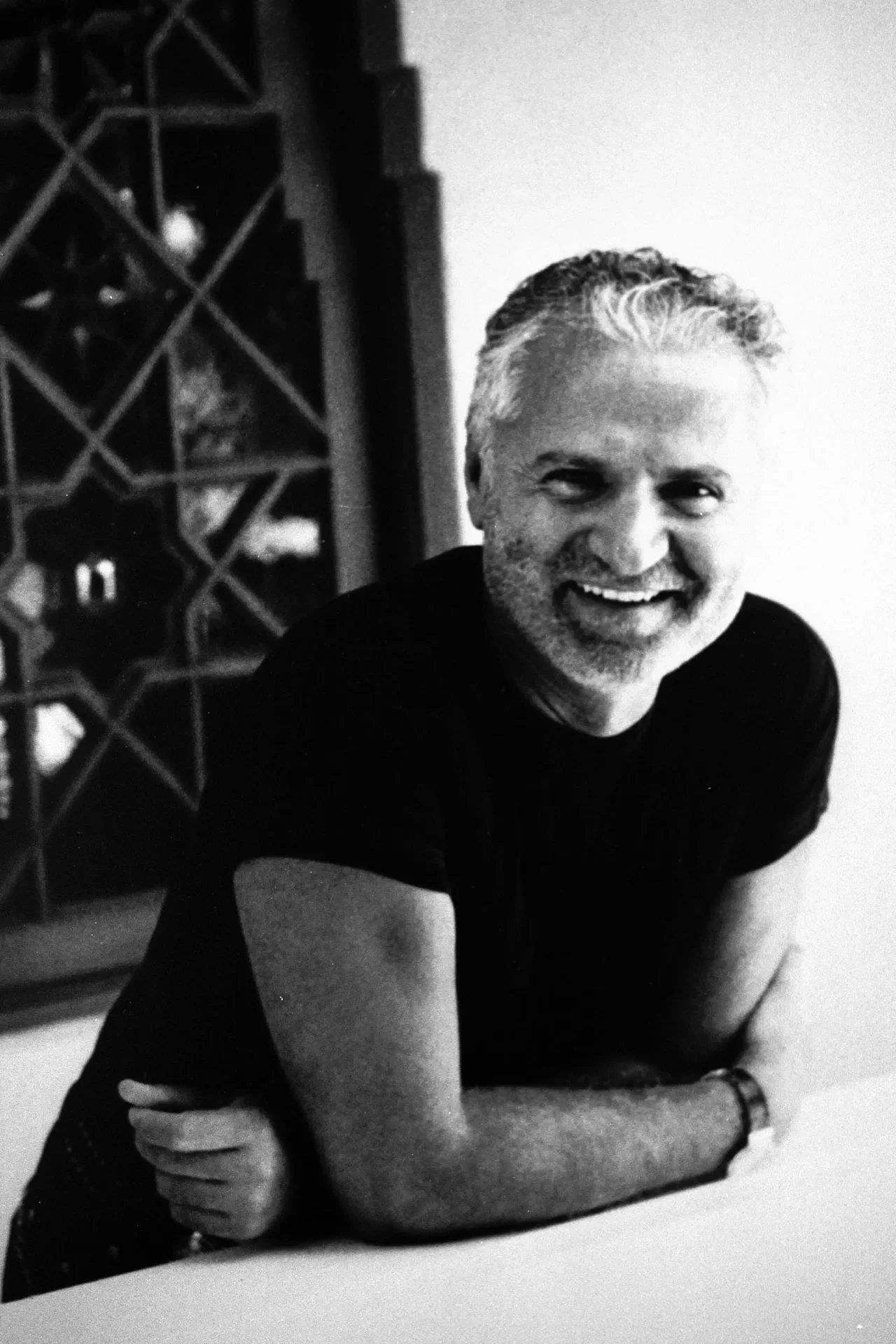
Italian fashion took a big step in the 90’s with plenty of Italian Fashion houses gaining recognition and fame outside of Italy to neighboring countries in Europe, the U.S. , and more. Fashion houses like Versace (led by Gianni Versace) with their gold Medusa logos and bold prints which gave consumers a distinct symbol of status appealing to a young fashionable consumer base as well as artists, actors and luxury buyers. Along with Versace, another brand that was popular around this time was Prada (led by Miuccia Prada). Prada was almost a complete counter to Versace, steering away from loud and flashy logos they opted for a more minimalist look, utilizing their inverted triangle plaque commonly seen on their luxury bags and garments. They also made their red stripe an iconic logo that is typically seen in their Prada Sport line. They were also one of the first Italian fashion houses to pioneer technical outerwear and sportswear.
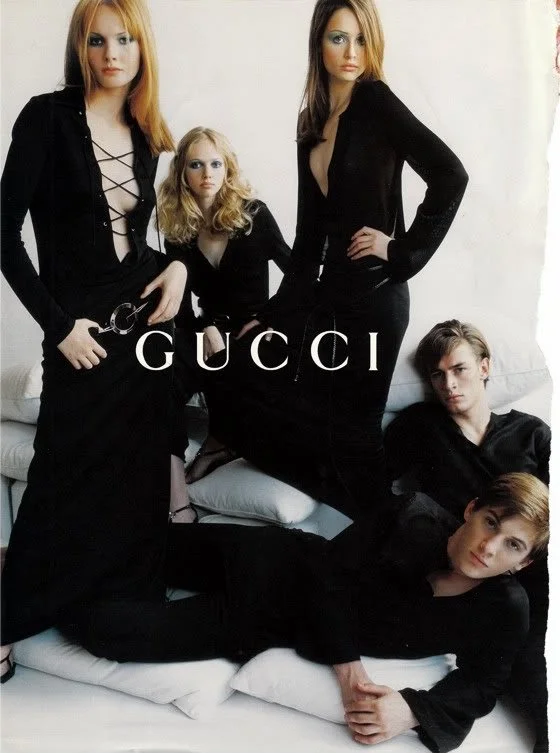
While Prada, Versace, and other fashion houses saw massive success during the 1990’s Gucci was the brand that saw the most success and expansion in the 90’s. This is widely credited to the promotion of Tom Ford to the creative director of Gucci. Tom Ford, from Austin, Texas after getting his degree in architecture decided to pursue a career in fashion and after working for multiple companies eventually ended up at Gucci in 1990 as the director for the womenswear ready-to-wear line. Around this time Gucci was really struggling and almost went bankrupt which was the reason Maurizio Gucci even hired Tom Ford in the first place. While Gucci was struggling, Tom Ford was building his vision of the brand that he believed would get the brand back to where it was supposed to be. In 1994 Tom Ford would then get promoted to creative director, the role he had been waiting for since he got to Gucci. Within a year in this role Gucci sales increased by 90% and Gucci was valued at $4 billion. This was due to Tom Ford’s revamp of Gucci making everything sleek and black, relying on controversial looks and photos to advertise the clothes and capturing “raw sexuality” with his clothing and styling. Tom Ford’s Gucci became very popular in Italy and America mainly with the 90’s in America being a time where celebrity culture and influence was reaching an all time peak, with people paying attention to every red carpet event, music video, tv appearance etc. to see what their favorite celebrities were wearing.
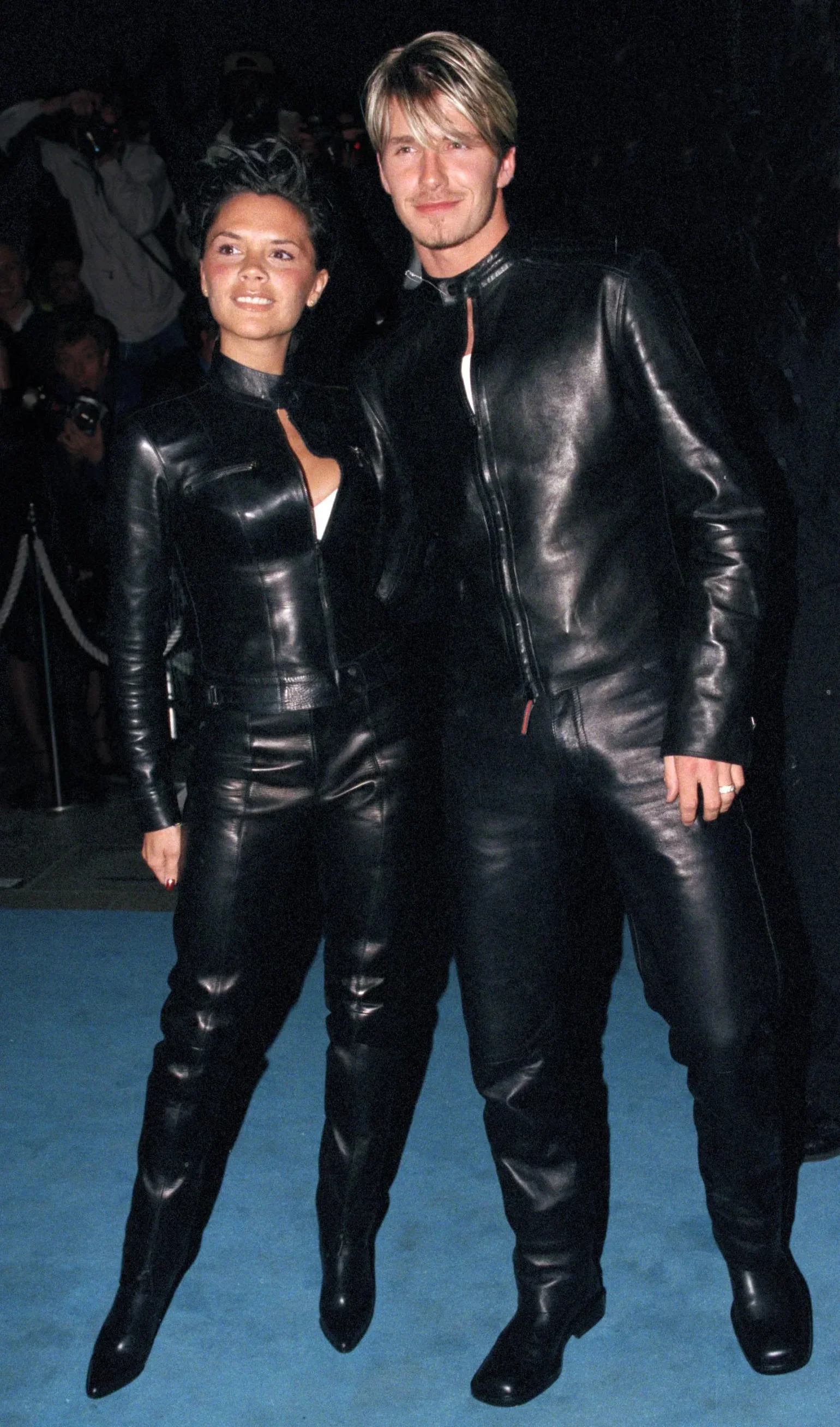
David and Victoria Beckham wearing black leather Gucci outfits at a Versace store opening party in 1999
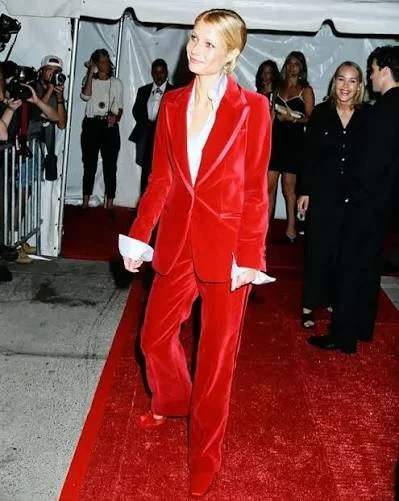
Gwyneth Paltrow wearing a Gucci Velvet Tuxedo from Gucci F/W 1996 collection at the 1996 MTV Music Video Awards
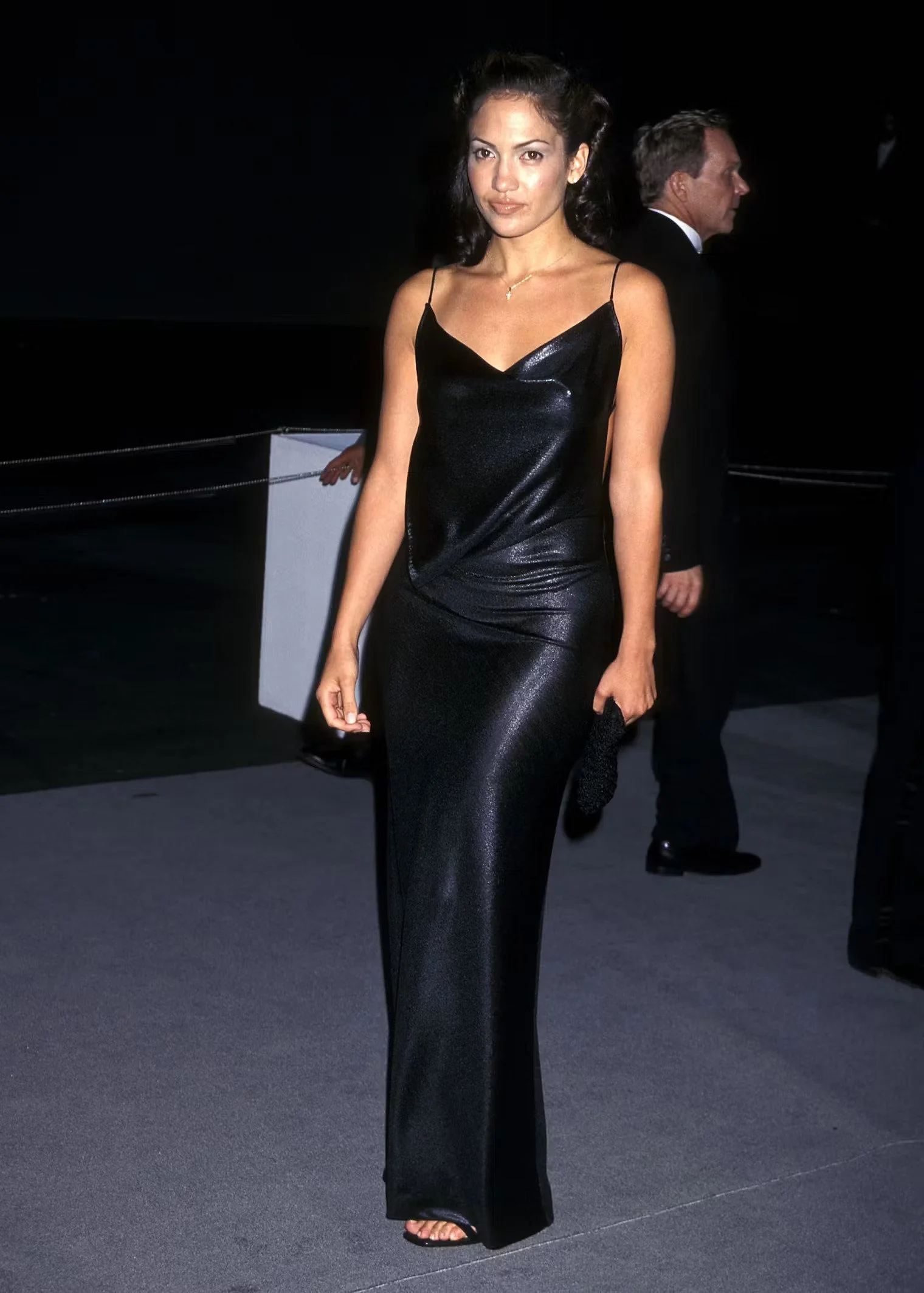
Jenifer Lopez at the AIDS Project Los Angeles Benefit Dinner in 1997 wearing a black Gucci dress.
Italian Fashion Today: Gucci
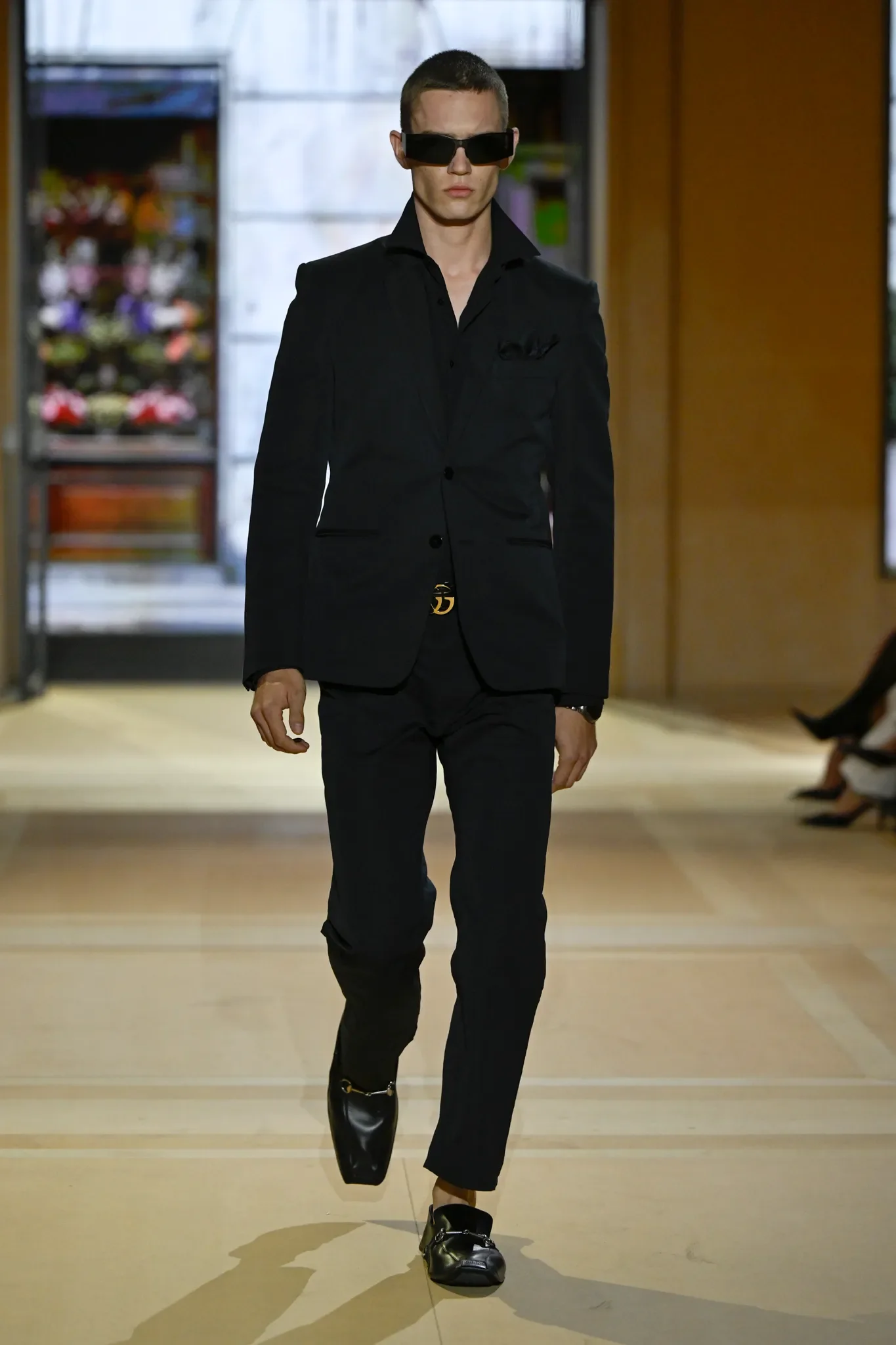
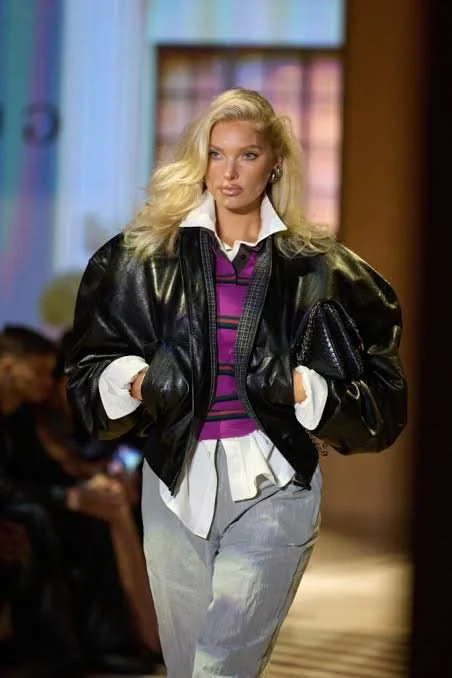
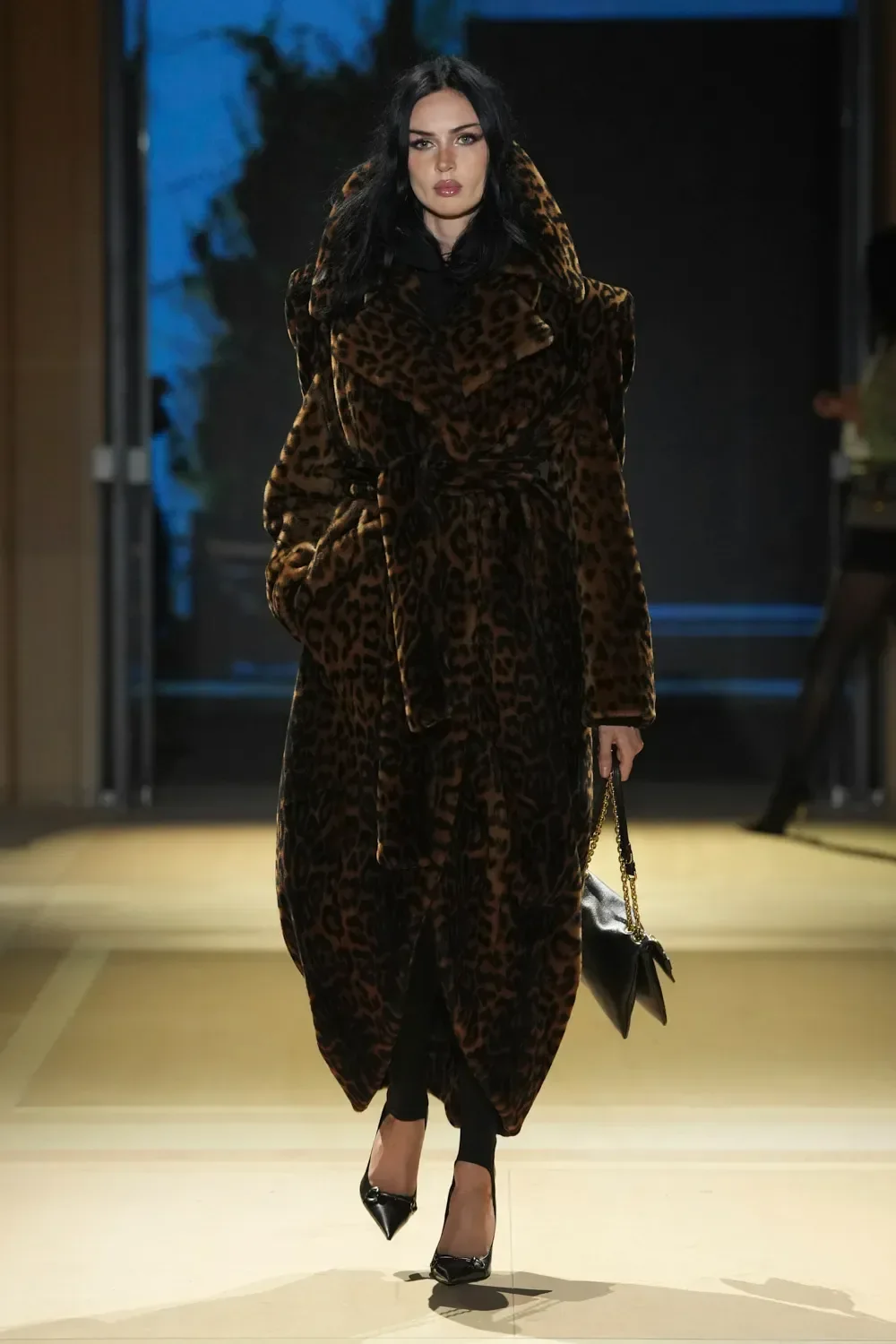
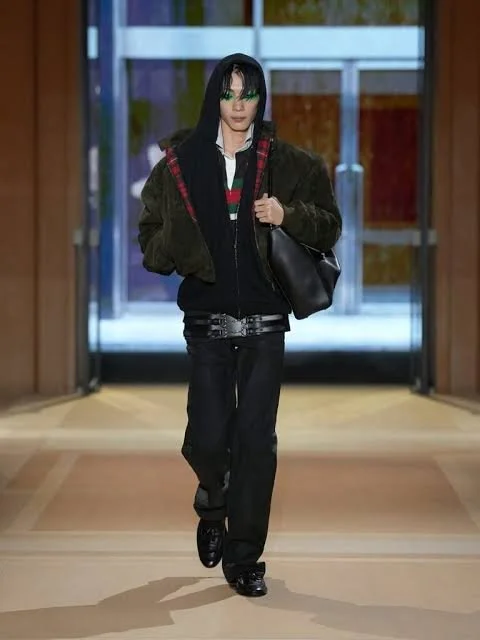
After Tom Ford’s departure from Gucci in April 2004, Gucci continued to dominate fashion in Italy and internationally. Creative directors like Frida Giannini and Alessandro Michele carried on Gucci’s success post Tom Ford each taking Gucci in different directions in terms of style rather than continuing the sleek tailored looks of Tom Ford. However, after Alessandro Michele, when Sabato De Sarno took the creative director role in 2023 Gucci experienced a major decline in sales. This was mainly due to the drastic change from Alessandro’s diverse and maximalist designs to Sabato’s minimalist designs. People thought that this change made the pieces and collections to safe and commercial with no real standout pieces. Gucci sales dropped by about $4 billion from 2023-2025 and this eventually led to the exit of Sabato and the entry of Demna Gvasalia. Demna’s entrance into Gucci was very controversial as people didn’t think he could bring that the success that deisgners like Frida and Tom brought to Gucci. Even though his runs at Vetements (founded by Demna and his brother Guram) and Balenciaga from (2015-2025) people were doubtful because his designs were very controversial with exaggerated silhouettes and very streetwear oriented ready-to-wear items. Though Demna faced doubts Demna’s most recent show for Gucci at Milan Fashion Week recieved a lot of good reviews and people are eagerly waiting for some of the pieces to be available in store. The show had a good balance of the best parts of Gucci, while still maintaining the signature Demna look he established at Vetements and Balenciaga. Demna heavily referenced Tom Ford with it’s sleek tailoring which can literally be seen in the very first look of the show. References to Frida Giannini’s Gucci can also be seen in the womenswear with the tailoring, blazers, and coats as well as the hardware specifically the iconic Gucci horsebit. Demna’s controversial yet appealing designs and the referencing to what people recognize as Gucci’s prime has propped Gucci back to the top of the Italian and international fashion houses.
Italian Fashion Today: Prada
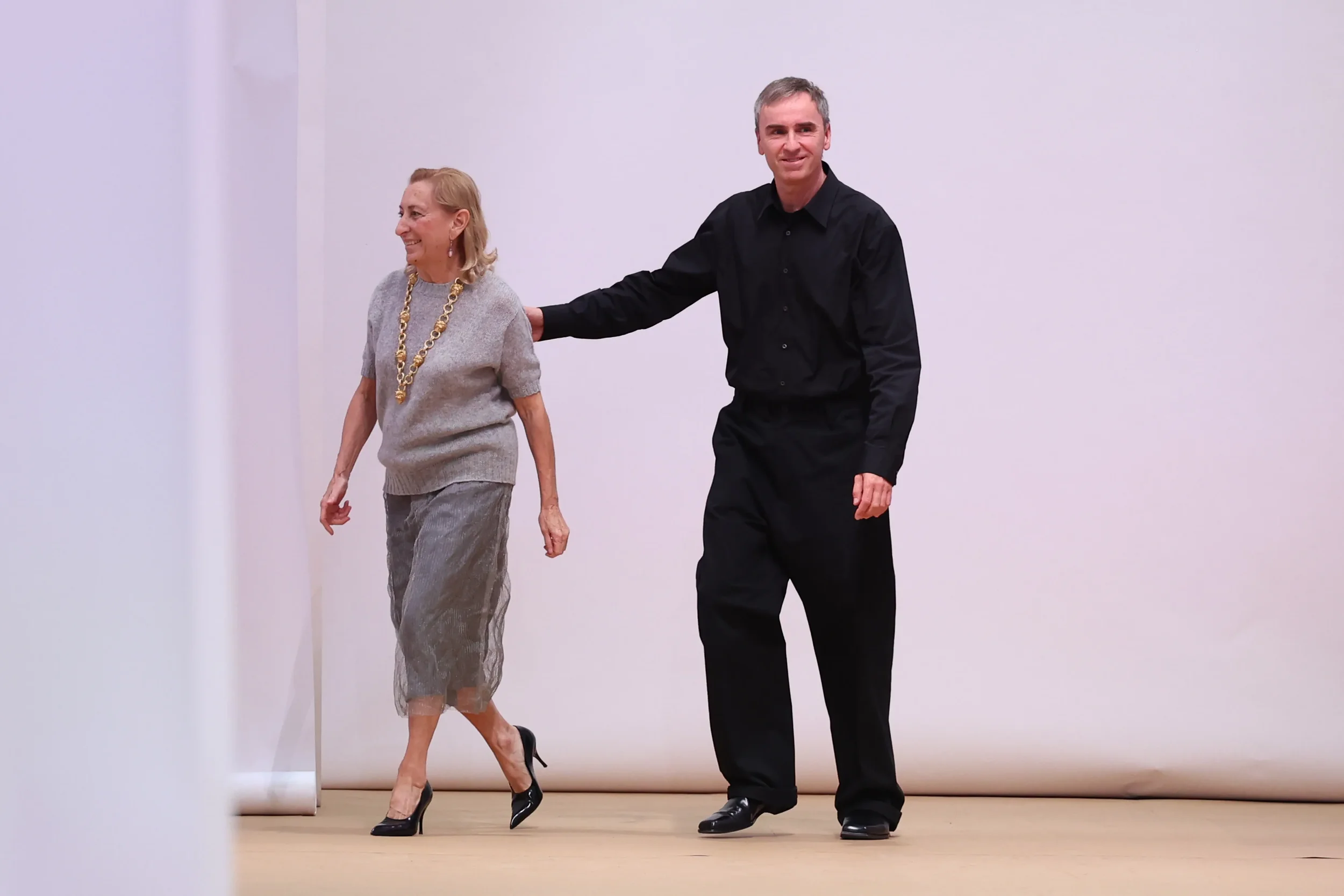
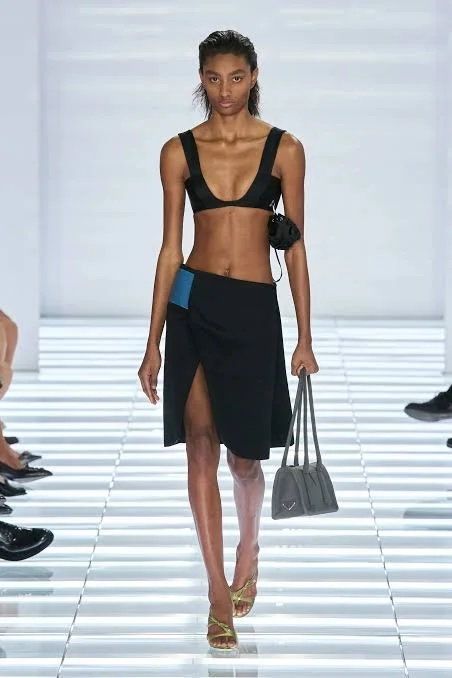
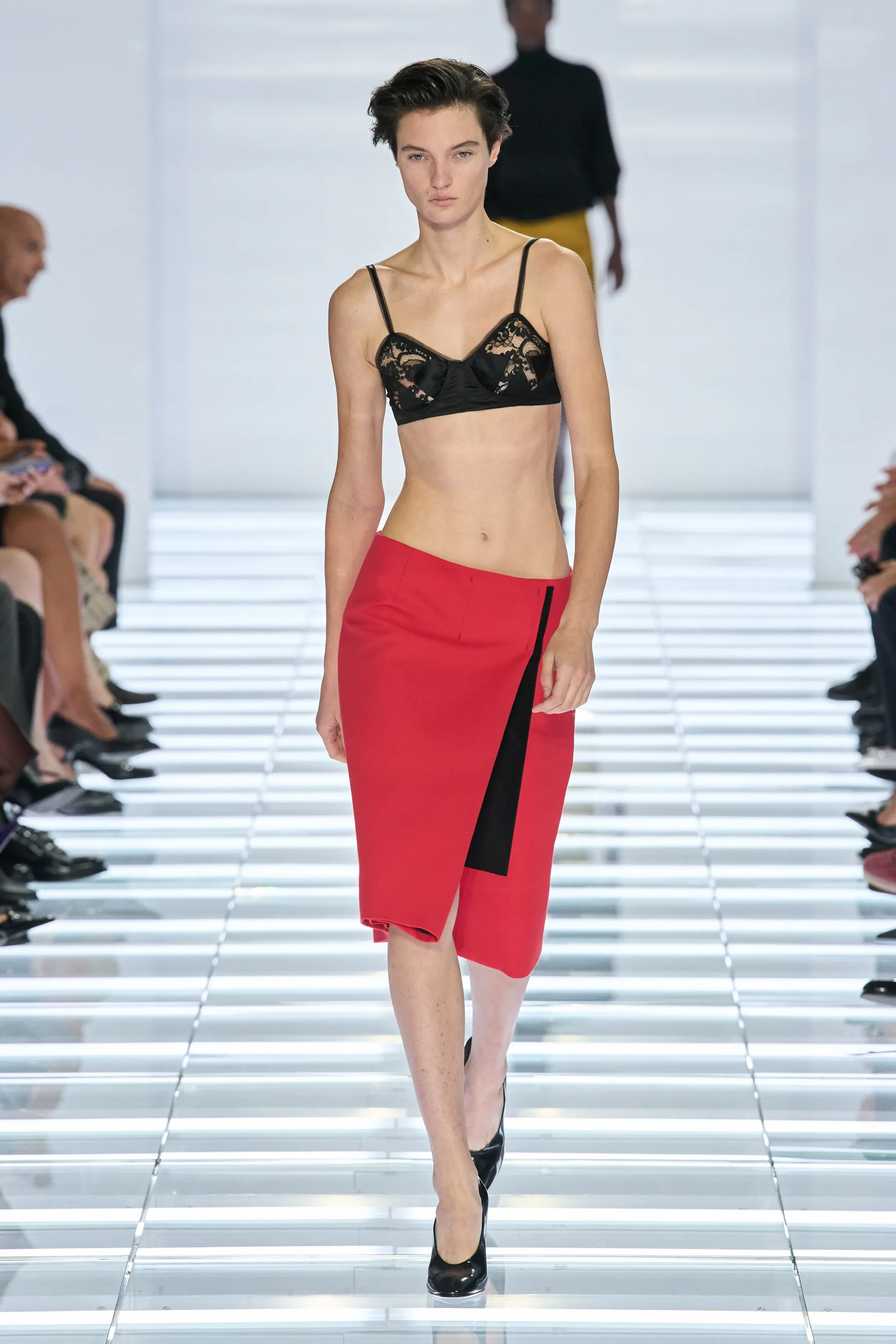
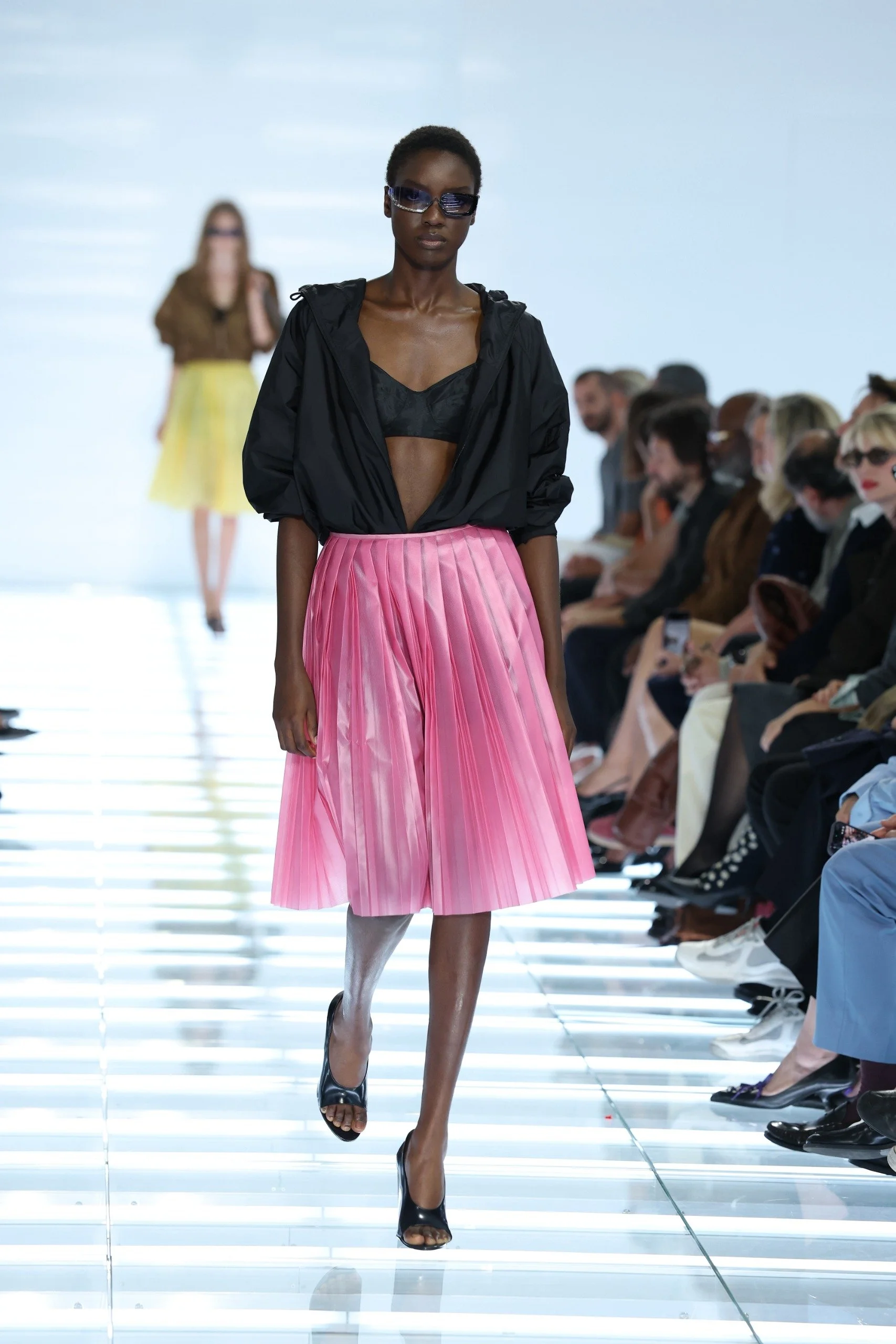
Since the 90’s Prada has maintained it’s position as one of the best fashion houses in Italy and in the world. Though Prada did experience declines in sales since the 90’s these were mainly due to events outside their control such as the financial crisis in 2008. Miuccia Prada has served as the creative director for the house since her initial takeover in the 70’s and also runs her own fashion house she founded in 1992 which is Miu Miu. In 2020 she partnered with another famous designer-Raf Simons to serve as the co-creative director for the house. Recently Prada had a womenswear show at Milan Fashion week in September where Miuccia and Raf decided to focus the entire show on one particular garment which was the skirt. The show consisted of 63 looks all showing different variations of skirts with minimal tops. The show referenced a 2006 Charlie Rose Interview where Miuccia said that for her the skirt is like a t-shirt basically highlighting its versatility and importance in everyday life in womenswear. The show also served as a direct counterpart to their Menswear show in June 2026 where they focused on the slim five pocket jean which is considered an essential in menswear. Overall Prada has remained one of the top fashion houses both domestically and internationally since the 90’s and the partnership between Miuccia and Raf Simons has only helped maintain this dominance in the fashion industry .
Works Cited
Belfanti , Carlo Marco. Renaissance and ‘Made in Italy’: Marketing Italian Fashion through History (1949–1952): Journal of Modern Italian Studies: Vol 20, No 1, 2015, www.tandfonline.com/doi/abs/10.1080/1354571X.2014.973154.
Ita, Mariana Carrera Díaz de Diaz De. The Power Suit Revolution, 30 Mar. 2025, www.meer.com/en/85177-the-power-suit-revolution.
Merlo, Elisabetta, and Mario Perugini. Making Italian Fashion Global: Brand Building and Management at Gruppo Finanziario Tessile (1950s‒1990s)., Jan. 2020, research.ebsco.com/c/n4ikcb/viewer/html/tvsdoi35kv.
Pender, William. “How Tom Ford Transformed Gucci and Defined 90s Fashion.” Designer Fashion, WGACA, 16 June 2025, www.whatgoesaroundnyc.com/en-us/blog-tomfordtransformedgucci.html?srsltid=AY6E9608EHs0ntMyIJysQi4O4p2fYYOWlp07DrXQw0RDjZnmJ6T2EQja.
Potvin, John. From Gigolo to New Man: Armani, America and the Textures of Narrative, Sept. 2011, research.ebsco.com/c/n4ikcb/viewer/pdf/m2qbgxr2kv?auth-callid=288f68e0-67a0-422f-8e80-d9975d2a9acb.
Santoro, Michele. Women’s Participation and Social Demands in the Italian 1960s: The Case Study of the National Council of Italian Women., May 2024, research.ebsco.com/c/n4ikcb/viewer/html/q5n6hlcuiv.
Tokatli, Nebahat. “Sign In.” OpenAthens / Sign In, 8 Dec. 2012, academic-oup-com.us1.proxy.openathens.net/joeg/article/13/2/239/926625?login=true.